Can You Use Dish Soap to Wash Your Car? A Pro Detailer’s Honest Answer
If you’ve ever Googled whether you can wash your car with dish soap—especially Dawn—you’ve probably gotten a bunch of answers telling you absolutely not, you’ll destroy your paint, it’s the worst thing you could possibly do. We’re going to give you a different answer, because we’ve actually tested this ourselves on hundreds of vehicles.
The short answer: yes, you can use dish soap to wash your car. Dawn and other dish soaps won’t damage your paint on contact. But—and this is important—that doesn’t mean it’s the right choice for every wash. Dish soap does something very specific to your car’s finish, and whether that’s a good thing or a bad thing depends entirely on what you’re trying to accomplish.
Below, we’ll break down exactly what dish soap does to car paint, when we actually use it in our own detailing work, when you should avoid it, and what to use for your regular washes instead.
What Does Dish Soap Actually Do to Car Paint?
Here’s where the confusion comes from. Dish soap is designed to cut through grease and oil—that’s its entire job. When you use it on your car, it does exactly that. It strips away wax, sealant, and any other protective coating sitting on top of your clear coat. That’s not the same as damaging your paint.
Your car’s paint has layers: the base color coat, then a clear coat on top that provides the shine and protects the color underneath. On top of that clear coat, you (hopefully) have a layer of wax, sealant, or ceramic coating that protects the clear coat from UV rays, water spots, bird droppings, and everyday wear.
Dish soap strips that protective layer. It doesn’t eat into your clear coat or dissolve your paint—it just removes the sacrificial protection on top. Think of it like this: dish soap takes your car’s paint back to bare clear coat. That’s not necessarily damage, but it does leave your paint exposed and unprotected until you reapply something.
The one real risk? If you let dish soap dry on the paint—especially in direct sunlight—the concentrated soap residue can etch into the clear coat and leave marks. So does dish soap damage car paint? Not if you use it properly and rinse it off. But it absolutely will strip every bit of protection you’ve put on it.
When You Should Use Dish Soap on Your Car
This might surprise you, but we actually use dish soap in our professional detailing work. Not for every wash—but for specific situations where stripping old protection is exactly what we want.
Before applying new protection. If you’re about to apply a fresh coat of wax, sealant, or ceramic coating, you want the surface completely clean. Old wax sitting underneath new wax doesn’t bond well. A dish soap wash strips everything back to bare paint so your new protection can bond directly to the clear coat. This is one of the most common professional uses.
As part of paint decontamination. Before paint correction or polishing, we need to start with a completely stripped surface. Dish soap is the first step in that decontamination process—followed by a clay bar, iron remover, and then the machine polisher. If there’s old wax on the surface, the polishing compound can’t make proper contact with the clear coat.
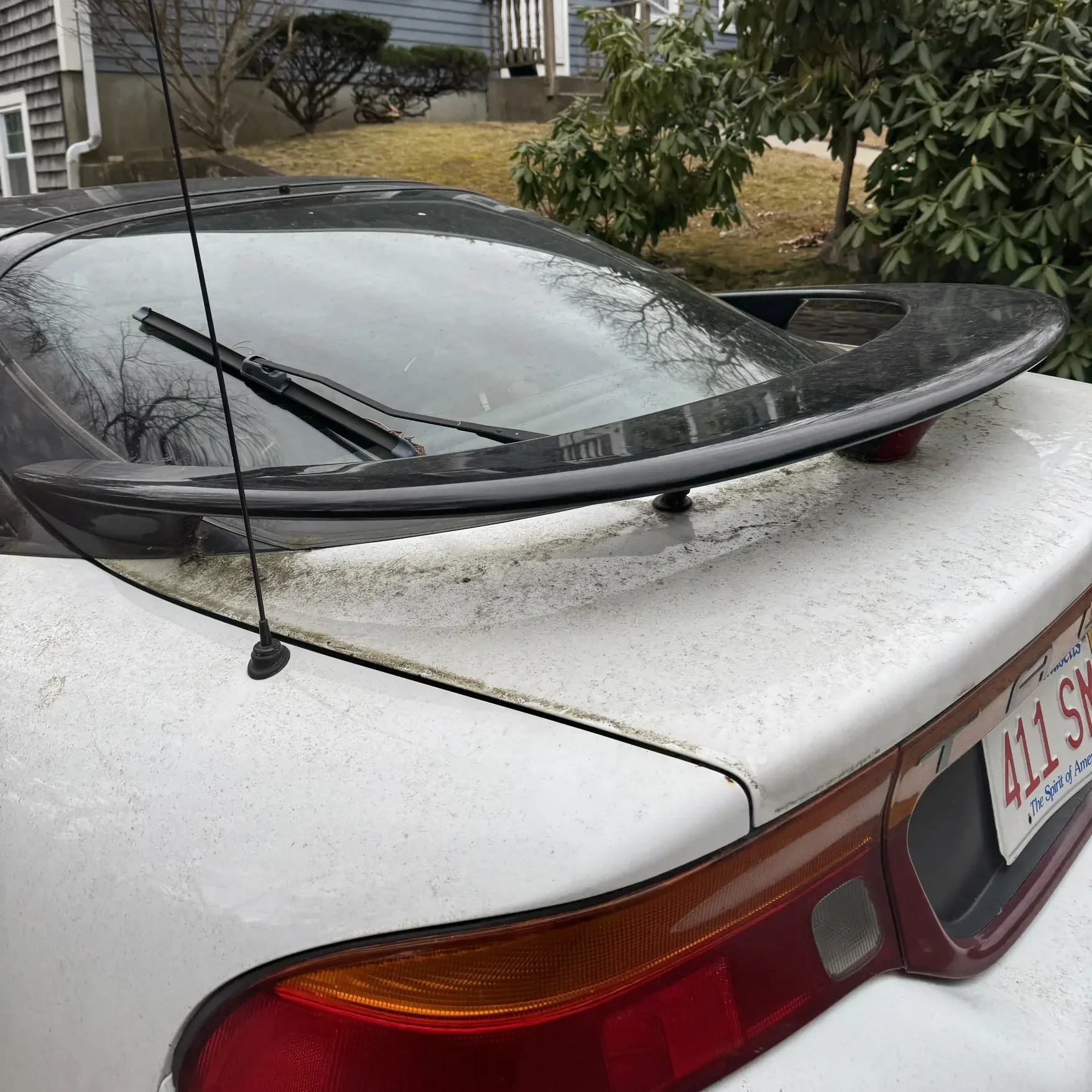
When the car is extremely dirty. If your car has been sitting for a long time, has heavy road grime, or has been through construction zones, sometimes a regular car wash soap doesn’t cut it. Dish soap’s stronger cleaning power can break through that heavy buildup in a way that gentler products won’t. Just know you’ll need to rewax afterward.
If you’re prepping your car for a fresh coat of wax or want to start with a clean slate, that’s exactly what our Exterior Wash & Wax service covers—we strip, wash, and reprotect in one visit. Learn more about our exterior detail.
When You Shouldn’t Use Dish Soap on Your Car
Now for the other side. There are plenty of situations where dish soap is the wrong call, and this is probably why so many people say never to use it.
Regular weekly or biweekly washes. If you’re washing your car on a regular schedule to keep it clean, dish soap defeats the purpose. You’ve spent time (and money) putting wax or sealant on your car to protect it. Using dish soap every wash strips that protection right off, and you’re basically starting from zero each time. That’s a lot of unnecessary work and leaves your paint unprotected between washes.
If you’re not going to reapply protection afterward. This is the big one. If you strip your wax with dish soap and then just… leave it, your clear coat is sitting there with nothing between it and the elements. UV rays, acid rain, bird droppings, tree sap—all of these attack bare clear coat much faster than protected paint. Only use dish soap if you plan to reapply wax, sealant, or a coating right after.
In direct sunlight or on hot panels. This goes for any car wash product, but it’s especially important with dish soap. If the soap dries on the paint before you can rinse it off, you’re looking at water spots and potentially etched residue in the clear coat. Always wash in shade or at least when the panels are cool to the touch. Early morning and evening are your best bets.
If you let it sit too long. Work in sections and rinse as you go. Don’t soap up the entire car and then go back to rinse. Dish soap is more aggressive than car-specific products, so you want to minimize its contact time with the paint.
Can You Use Dawn Dish Soap on a Car’s Interior?
We get this question a lot. Dawn diluted in water can work in a pinch for cleaning hard plastic surfaces like cupholders, door jambs, and rubber floor mats. A few drops in a bucket of warm water and a microfiber cloth will cut through sticky spills and grime on those surfaces. However, we wouldn’t recommend it for leather, vinyl dashboards, or any soft trim. Dawn strips the oils and UV protectants built into those materials, which leads to drying, cracking, and fading over time. For interior surfaces, you’re genuinely better off with a dedicated interior cleaner that’s formulated to clean without stripping protective conditioners. It’s one of those cases where the right product makes a real difference.
Dish Soap Alternatives for Car Washing
For your regular maintenance washes, use a pH-neutral car wash shampoo. These are specifically formulated to lift dirt and grime without stripping your wax, sealant, or ceramic coating. They’re gentle enough to use every week and they actually help your existing protection last longer.
You don’t need to spend a fortune—any dedicated car wash soap from an automotive brand will outperform dish soap for routine washing. The key difference is lubrication: car wash soaps create a slippery layer between your wash mitt and the paint, reducing the chance of introducing swirl marks and fine scratches. Dish soap doesn’t do that. It strips and grips, which is fine for a pre-wax prep but not what you want every Saturday morning.
If you want to go a step further, look for a car wash soap that includes a light sealant or gloss enhancer. These add a thin layer of protection with every wash, so your car’s finish actually improves over time rather than degrading. Pair that with a proper hand wax or ceramic coating a few times a year, and your paint will stay protected and looking great.
Bottom line: dish soap is a tool, not a villain. Use it when you need to strip old protection before starting fresh. Use proper car wash soap for everything else. And whatever you do, don’t let it dry on the paint.
If you’re not sure what your paint needs—or if it’s been a while since your car had a proper wash and wax—we can help. We serve Plymouth, the South Shore, and Cape Cod with mobile detailing, so we come right to your driveway. Get a free quote here or give us a call at (508) 562-0546.
Want more detailing tips? Check out the rest of our blog.